About Me & A.E.G.I.S
A final year Computer Systems Engineering student at Middlesex University Dubai, building privacy-preserving technology for elderly care.
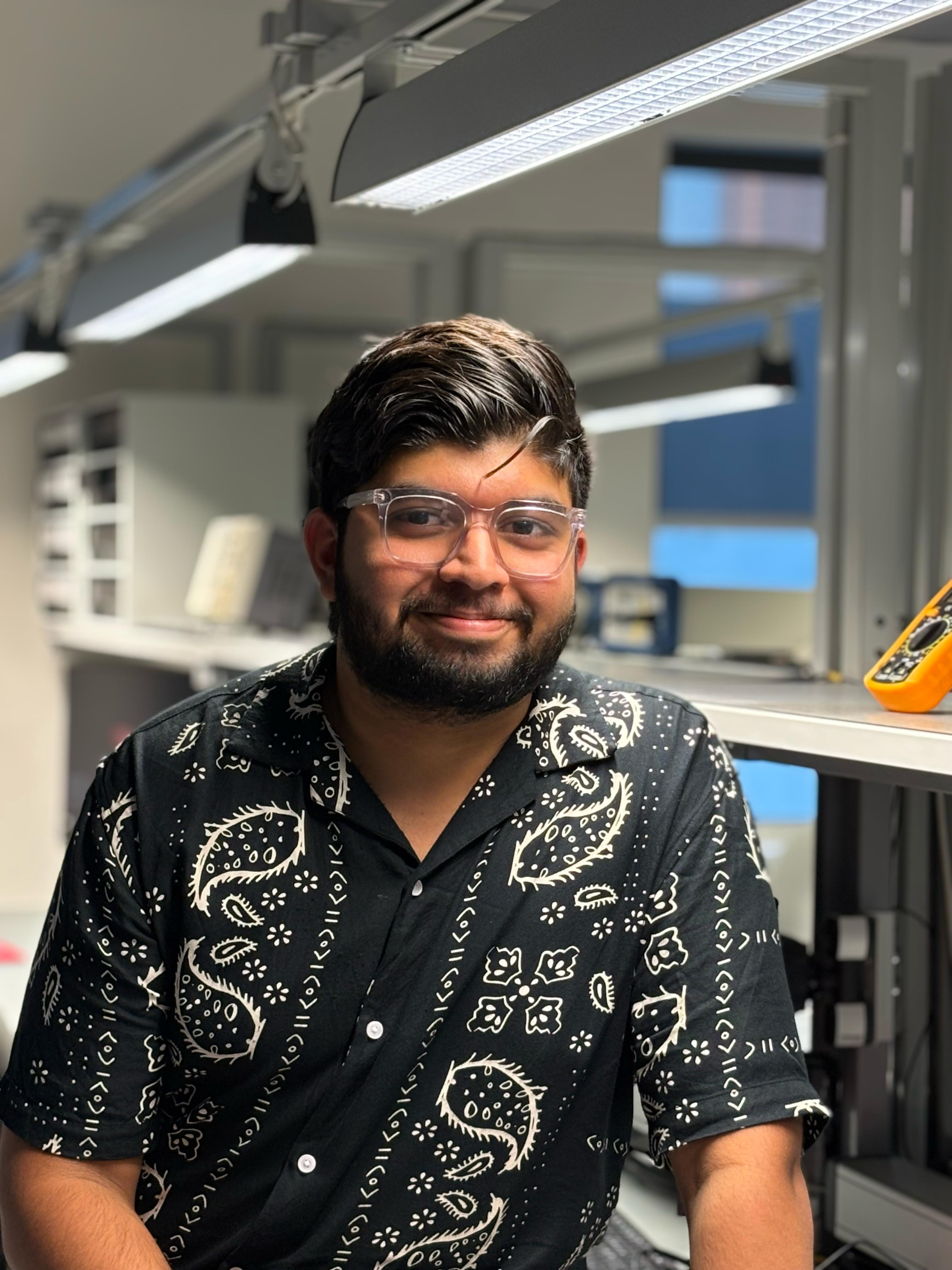
Hey! I'm Ketan Pinto, a final-year Computer Systems Engineering student at Middlesex University Dubai with a deep passion for Embedded Systems, Internet of Things (IoT), and Artificial Intelligence. My academic journey has been driven by a singular vision: bridging the gap between hardware physics and software intelligence to solve real-world humanitarian problems.
A.E.G.I.S represents the culmination of this vision—a system that leverages the invisible signals all around us to protect our most vulnerable. By understanding how Wi-Fi waves interact with the human body, we can create monitoring systems that respect privacy while saving lives. This project combines my expertise in embedded systems, signal processing, and machine learning to create something truly impactful.
The Problem
Elderly falls are a leading cause of fatal injuries worldwide. Traditional monitoring solutions face critical limitations: cameras violate privacy and cannot be deployed in sensitive areas like bathrooms where many falls occur; wearable devices are often forgotten or deliberately removed by patients with dementia or cognitive impairment.
The Solution: A.E.G.I.S
A.E.G.I.S (Autonomous Elderly Guardian & Intelligent Sensing) is a “device-free” monitoring system. It uses commodity Wi-Fi signals (CSI) to detect falls by analyzing wave distortions in the room, and fuses this with mmWave Radar sensor data to detect breathing (vital signs) to determine if the person is unconscious after a fall. No cameras. No wearables. Just invisible signals protecting lives.
Key Features
Privacy-Preserving
No cameras or images. Only analyzes Wi-Fi signal distortions for complete privacy compliance.
Wi-Fi CSI Sensing
Uses Channel State Information from commodity Wi-Fi to detect human movement and falls.
mmWave Radar Fusion
LD2410 radar sensor provides vital sign monitoring to detect breathing and consciousness.
AI-Powered Detection
Machine learning algorithms trained to distinguish falls from normal activities.
Vital Signs Monitoring
Detects breathing patterns post-fall to assess if the person is conscious.
Edge Processing
All processing happens locally on Raspberry Pi 5 for real-time response.
Tech Stack
My Motivation
The intersection of hardware and software has always fascinated me. While software can create incredible experiences, it is the fusion with physical systems that enables us to make a tangible impact on the real world. A.E.G.I.S embodies this philosophy—using invisible electromagnetic waves, sophisticated signal processing, and machine learning to create a system that could genuinely save lives while respecting human dignity and privacy.