HardwareWi-Fi CSIPrivacyResearch
Week 1: THE BEGINNING
The beginning of A.E.G.I.S - choosing Wi-Fi CSI over cameras for privacy-preserving fall detection.
5 min read
Read full articleTechnical articles, research notes, and learning logs exploring web development, software architecture, and emerging technologies.
12 articles found
The beginning of A.E.G.I.S - choosing Wi-Fi CSI over cameras for privacy-preserving fall detection.
A comprehensive overview of the ethical frameworks, multi-tiered system architecture, and preliminary hardware validation for the A.E.G.I.S. platform.
A comprehensive look at how Wi-Fi Channel State Information works and why it enables device-free sensing.
A comprehensive review of existing ambient assisted living technologies, identifying research gaps, and defining the core research questions for A.E.G.I.S.
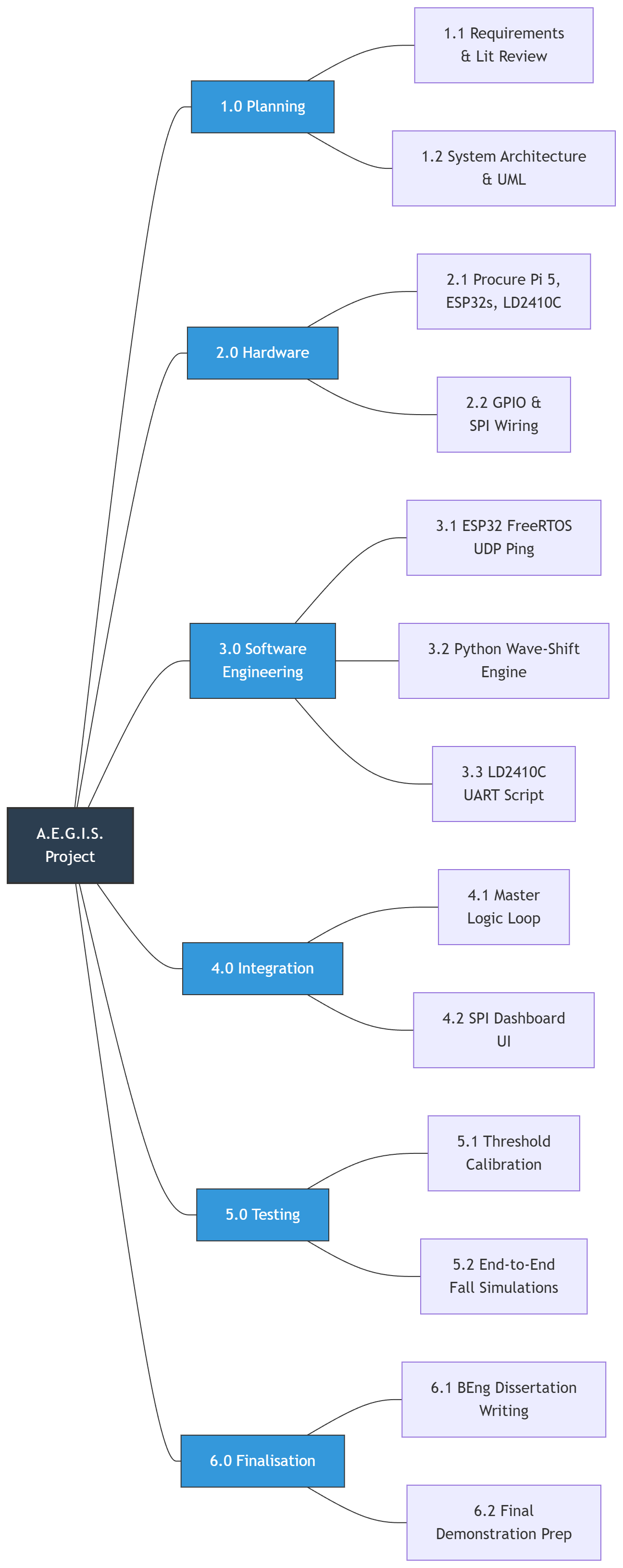
Planning the architecture with a Work Breakdown Structure and Gantt chart before diving into development.
Transitioning from theoretical planning to building the first working prototype of A.E.G.I.S.
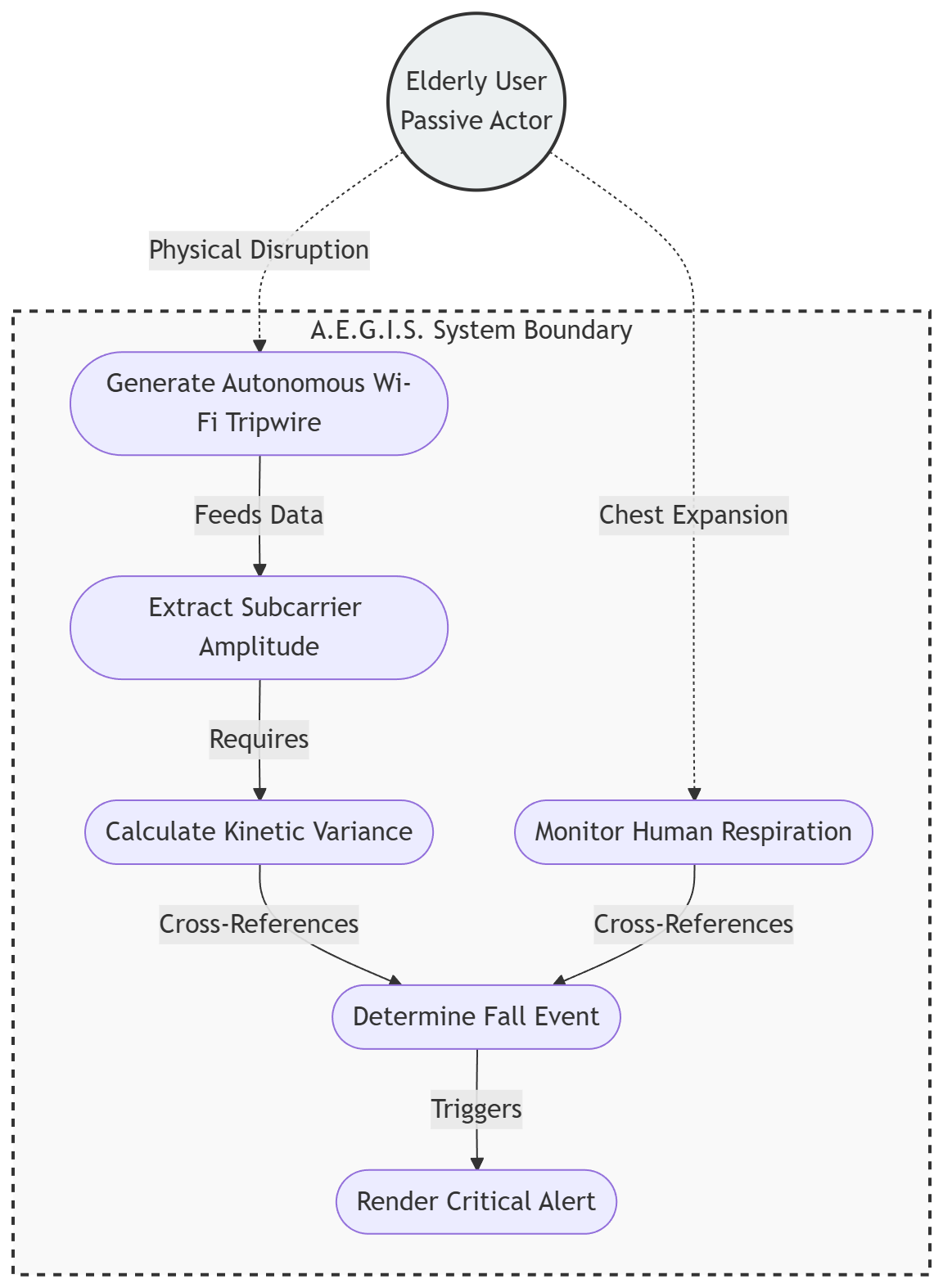
Evaluating the A.E.G.I.S. prototype through real-world logic tests and formalising the UML documentation.
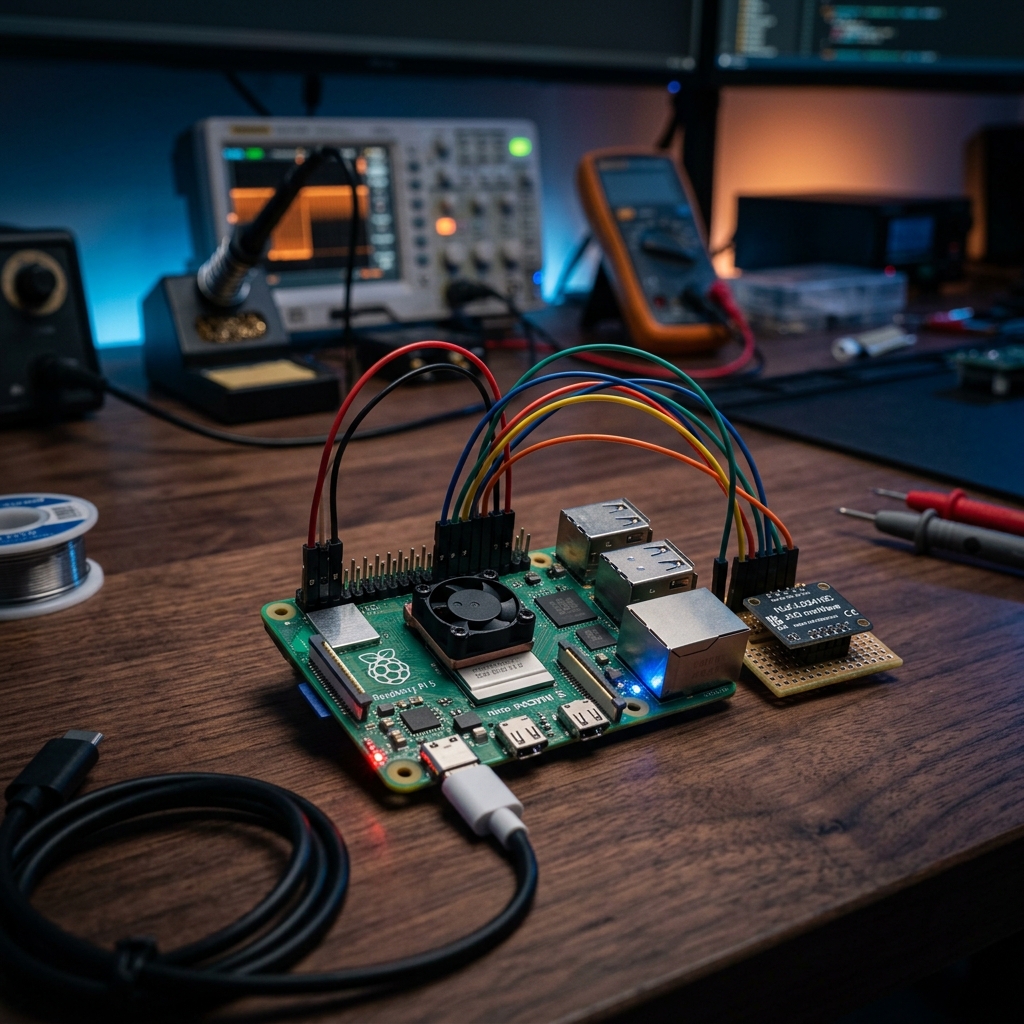
Integrating the HLK-LD2410C mmWave radar with Raspberry Pi 5 and overcoming UART communication challenges.
The Grand Finale of the A.E.G.I.S. development phase, successfully fusing the Wi-Fi CSI Kinetic Engine with the mmWave Biological Engine into a unified monitoring framework.
Transitioning the A.E.G.I.S. framework from a fragile breadboard sprawl into a ruggedized standalone prototype through rigorous stress-testing and empirical validation.
Moving from building the project to measuring exactly how well it works through formal testing, including speed, accuracy, and stress tests.
Summarising the project achievements, reflecting on the steep learning curve, and polishing the final academic dissertation and viva presentation.